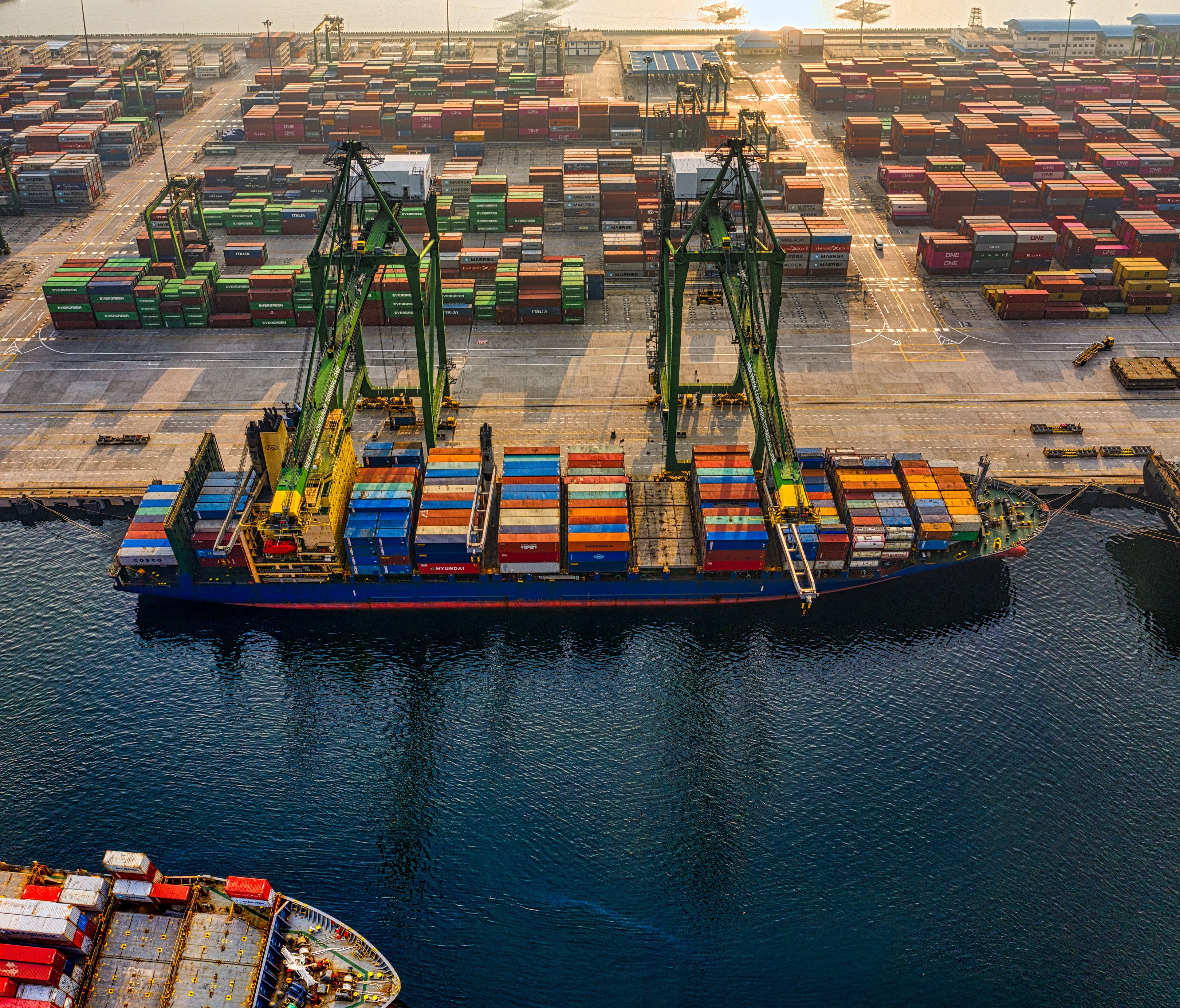
A container of goods leaves a factory in Guangzhou bound for Apapa port. Between that factory floor and the importer's warehouse in Lagos, the shipment passes through multiple ports, sits on vessels crossing open ocean, gets loaded and unloaded by cranes and forklifts, and clears customs before finally reaching its destination. At every one of those stages, something can go wrong: rough handling, water damage, theft, fire on board, or a container that simply never arrives.
For Nigerian importers and exporters, this exposure is not theoretical. Port delays, handling damage, and shipment discrepancies are common enough that most experienced traders treat marine cargo insurance as a basic cost of doing business rather than an optional extra. This article explains what it actually covers, how it is priced, and what founders new to importing or exporting need to know before their first shipment.
What Marine Cargo Insurance Actually Covers
Marine cargo insurance protects goods in transit, whether by sea, air, or road, against loss or damage during the journey from origin to destination. Despite the name, it is not limited to ocean freight. It covers the full transit chain, including inland transportation before and after the sea or air leg, depending on the terms of the policy purchased.
Coverage typically comes in tiers, often described using terms like Institute Cargo Clauses A, B, and C, which is the international standard framework insurers use to define scope. Clause A offers the broadest cover, protecting against nearly all risks of physical loss or damage except a short list of specific exclusions. Clause C offers the narrowest cover, limited to major named perils like fire, vessel sinking, or collision. Most importers of general merchandise choose something close to Clause A or B, since narrower cover can leave common risks like water damage or handling breakage excluded.
Why This Matters More in Nigeria Than in Many Markets
Nigerian import logistics carry risks that make marine cover particularly valuable compared to more predictable shipping environments. Port congestion at Apapa and Tin Can Island has historically led to long dwell times, during which goods sit exposed to weather, handling damage, and in some cases theft. Customs clearance delays extend the period goods remain in transit limbo. And inland transportation, moving goods from the port to a warehouse in Lagos, Kano, or Port Harcourt, adds another leg where accidents, theft, or damage can occur, particularly on routes known for poor road conditions.
Who Needs It
Any business that imports goods for resale or use, whether that is a boutique importing fabric, an electronics retailer importing phones and accessories, a manufacturer importing raw materials or machinery, or a food business importing packaging, faces this exposure on every shipment. Exporters face a mirror version of the same risk, goods leaving a Nigerian port for a foreign buyer are equally exposed to loss or damage in transit, and many international buyers now require proof of marine insurance as a condition of the trade contract, particularly under CIF, Cost, Insurance, and Freight, shipping terms.
Even a small importer bringing in a single container a few times a year carries meaningful exposure, since a single lost or badly damaged shipment can represent the bulk of that quarter's working capital.
How Marine Cargo Insurance Is Priced
Premiums are calculated as a percentage of the insured value of the cargo, commonly referred to as the sum insured, which should reflect the full landed cost of the goods, not just the invoice value. Typical rates range from around 0.3% to 1% of the insured value, depending on the nature of the goods, the route, the mode of transport, and the level of cover chosen. Fragile or high value goods, electronics, glassware, machinery, generally attract higher rates than durable, lower value goods like textiles or building materials.
As a rough example, a shipment of goods with a total landed value of ₦20 million might cost somewhere between ₦60,000 and ₦200,000 to insure for a single voyage under standard cover, though actual quotes vary by insurer and specific risk factors.
Many importers buy marine cover on a per shipment basis when volumes are low, while businesses that import regularly often negotiate an open cover policy with their insurer, which automatically covers every shipment within agreed parameters without needing a fresh policy for each one.
How to Buy Marine Cargo Insurance
Marine cargo insurance is typically arranged either directly through the shipper's freight forwarder or customs agent, who often has existing relationships with marine insurers, or independently through a licensed insurance broker. Buying independently through a broker generally gives you more control over the coverage terms and the ability to compare pricing, rather than accepting whatever is bundled into a freight forwarding package.
Whichever route you take, confirm the insurer or underwriter is licensed by NAICOM, and get the policy or cover note in writing before the shipment departs. Insurance arranged after goods are already in transit typically will not be honored for any loss that occurred before the policy started.
Filing a Marine Cargo Claim
If a shipment arrives damaged or is short on quantity, do not sign the delivery or discharge documents as clean if there is visible damage, note it clearly on the documentation at the point of receipt. Photograph the damage or shortage immediately, keep the packing list and bill of lading, and notify your insurer as soon as the issue is discovered, ideally within the notification window specified in your policy, which is often a matter of days.
For claims involving container shipping lines, you may also need to notify the shipping line formally within their own claim window, since carrier liability and insurance claims sometimes run on separate, overlapping tracks. A good freight forwarder or broker can help coordinate this, but the responsibility for timely notification ultimately sits with the cargo owner.
The Bottom Line
For any Nigerian business importing or exporting goods, marine cargo insurance is one of the more straightforward, cost effective policies available, priced as a small fraction of shipment value against a risk that is genuinely common given the realities of Nigerian port logistics. Insure at full landed value rather than just the invoice price, choose the broadest cover you can reasonably afford, and treat the paperwork discipline, photographing damage, noting shortages at receipt, notifying insurers promptly, as seriously as the policy itself, since that discipline is what determines whether a claim actually gets paid.