Ask ten founders in Lagos or Port Harcourt whether their business is insured, and most will say no. Not because they don't value protection, but because insurance feels like a grudge purchase for companies with money to spare, not a shop with three staff and a landlord who raises rent every year. That thinking is understandable. It is also the reason so many businesses in Nigeria collapse after a single fire, robbery, or lawsuit that a modest policy would have absorbed.
This article breaks down what insurance actually exists for Nigerian businesses, which types matter most depending on what you do, and what you should realistically expect to pay. The goal is not to scare you into buying everything. It is to help you see risk clearly and decide, with real numbers in front of you, what protection is worth the premium.
Why Nigerian Businesses Underinsure
Three things drive low insurance uptake among Nigerian founders. First, cash flow pressure means any expense without an immediate, visible return gets deprioritized. Second, there is a trust gap. Many entrepreneurs have heard stories of claims denied on technicalities, so they conclude insurers only collect premiums and never pay out. Third, awareness is genuinely low. Few founders know what NAICOM, Nigeria's National Insurance Commission, actually regulates, or which policies are legally required for their business.
That trust gap is real but shrinking. NAICOM has tightened solvency requirements and claims settlement rules over the past few years, and insurers that fail to pay legitimate claims risk their operating license. Working with a NAICOM licensed insurer, and reading your policy document before you need it, closes most of the gap that gives insurance its bad reputation.
The Core Policies Every Business Should Understand
Public Liability Insurance
If customers, suppliers, or delivery riders ever step onto your premises, you carry liability risk. A customer who slips on a wet floor in your shop, or a falling shelf that injures a visitor, can trigger a lawsuit that costs far more than your annual revenue. Public liability insurance covers legal costs and compensation if a third party is injured or their property damaged because of your business operations. For a small retail shop or service business, annual premiums typically range from ₦50,000 to ₦250,000 depending on coverage limits and foot traffic.
Fire and Burglary Insurance (Special Perils)
Also called fire and special perils insurance, this covers your physical assets, stock, equipment, fittings, against fire, lightning, explosion, and burglary. In a country where market fires regularly wipe out entire lines of shops in Balogun, Onitsha, or Aba in a single night, this is arguably the single most practical policy a small business can hold. Premiums are usually calculated as a percentage of the insured value of your assets, often between 0.15% and 0.5% annually, so a shop with ₦5 million in stock and fittings might pay ₦15,000 to ₦25,000 a year for basic cover.
Group Life Insurance
This one is not optional. Under Section 4(5) of the Pension Reform Act 2014, any employer with five or more staff is legally required to maintain group life insurance covering at least three times each employee's annual total emolument. This is not a nice to have. Employers who skip it are technically in breach of pension law, and PenCom compliance checks increasingly ask for evidence of it. Premiums scale with payroll and average headcount, but many small businesses pay somewhere between ₦3,000 and ₦8,000 per employee annually for basic group life cover, depending on the insurer and salary bands.
Marine Cargo Insurance
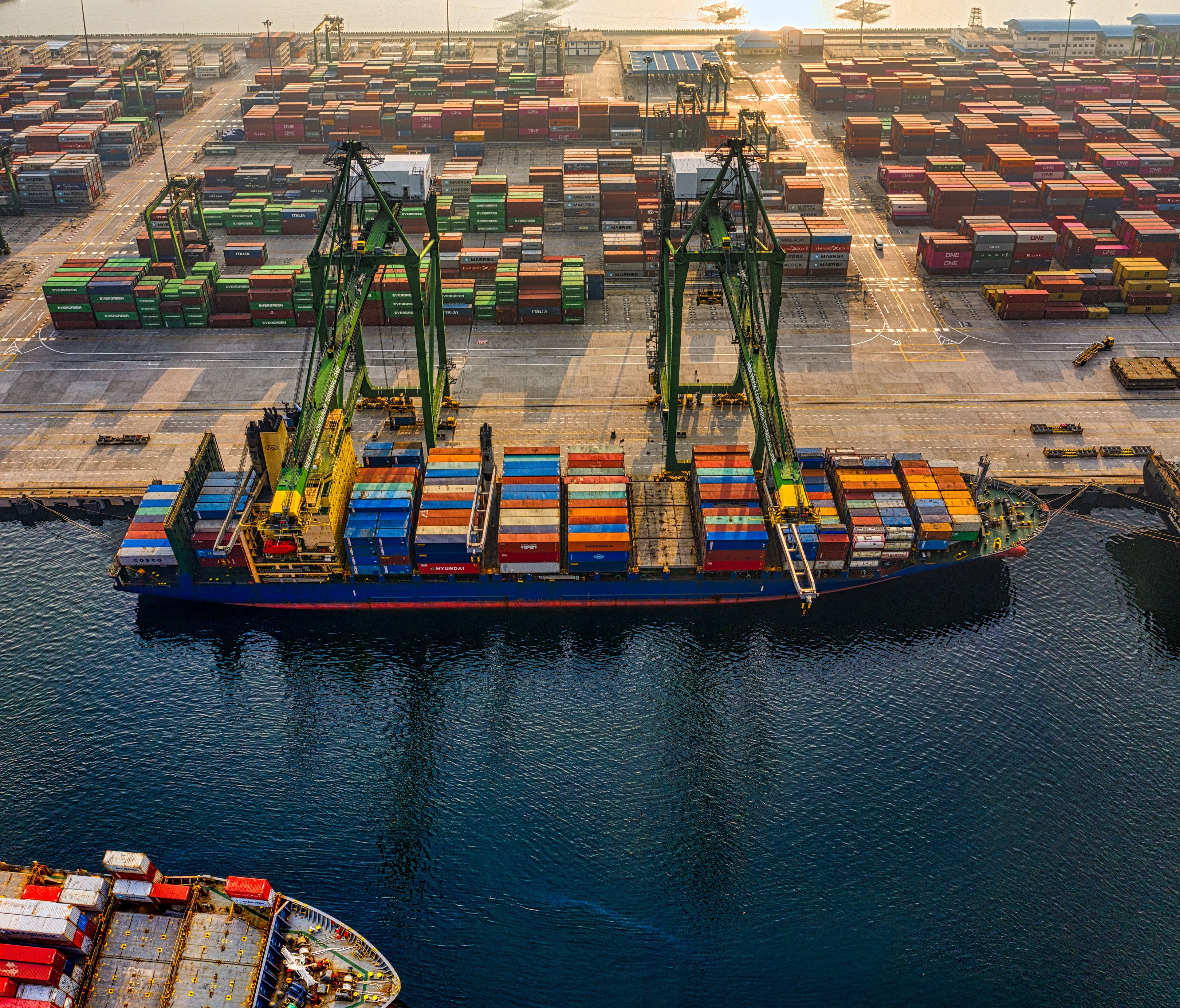
If you import goods, whether it is fabric from Guangzhou, machinery parts from Germany, or raw materials for manufacturing, your shipment is exposed to loss or damage from the port of origin to your warehouse. Marine cargo insurance covers that transit risk. Given how often shipments face delays, rough handling, or damage moving through Apapa or Tin Can port, this is one of the more commonly used business policies in Nigeria, and premiums are typically a small fraction, often 0.3% to 1%, of the shipment's insured value.
Business Interruption Insurance
This covers lost income if your business cannot operate because of an insured event, a fire that shuts your shop, flooding that damages your warehouse, or similar. It is less commonly bought by small businesses because it is often sold as an add on to fire insurance rather than standalone, but for a business where even two weeks of closure would be financially crippling, it is worth asking your broker to quote.
How to Decide What You Actually Need
Start with what would genuinely break your business. If a single fire, lawsuit, or theft could wipe out your working capital, that is the risk to insure first. A retail shop with significant stock should prioritize fire and burglary cover. A service business that hosts clients on site should prioritize public liability. Any business with five or more employees needs group life insurance regardless of sector, because it is a legal requirement, not a judgment call.
Talk to a licensed insurance broker rather than walking straight to an insurer's sales desk. Brokers are paid by the insurer, not by you, and their job is to match your risk profile to the right combination of policies rather than sell you the most expensive bundle. Ask any insurer or broker for their NAICOM registration number before signing anything, and check it against NAICOM's public register.
The Bottom Line
Insurance will not feel necessary until the week it is the only thing standing between your business and closing its doors permanently. Most Nigerian businesses do not need every policy on this list. They need the two or three that match their actual exposure, bought from a licensed insurer, understood well enough that a claim does not become a fight. Start with group life if you have five or more staff, add fire and burglary if you carry stock or equipment, and build from there as your business grows.