Nigeria's ecommerce market has grown fast, and so has the number of people trying to sell online without a clear plan. Some launch an Instagram page and call it a business. Others spend months building a website nobody visits. The founders who actually make money online in Nigeria follow a fairly predictable sequence: pick a product, register properly, choose the right platform, set up payments and delivery, then market with intention. Here is that sequence, laid out step by step.
Step 1: Validate Your Product Before You Build Anything
Before spending a naira on a website or inventory, confirm people will actually buy. Post your product idea on WhatsApp Status, an Instagram Story, or a Facebook Marketplace listing and gauge interest with real messages, not just likes. If you are selling something that needs regulatory approval, such as food, cosmetics, or health products, check NAFDAC registration requirements early. Getting this wrong after you have already printed packaging is an expensive mistake many first time sellers make.
Step 2: Register Your Business With CAC
An online store is still a business, and operating without registration limits your ability to open a proper business bank account, apply for a payment gateway, or work with larger logistics partners. Register a business name with the Corporate Affairs Commission through the CAC portal. A business name registration currently costs a small fee and can be completed in a few days if your documents are in order. If you plan to raise investment or bring in partners later, a limited liability company structure is worth considering from the start rather than converting later.
Step 3: Choose Where You Will Sell
You have three broad options, and most successful sellers use more than one.
Social commerce. Instagram and WhatsApp Business remain the easiest entry point for new sellers in Nigeria. Set up a WhatsApp Business catalog, which lets customers browse products directly in the app, and pair it with an Instagram Shop. Zero building cost, and your customers are already there.
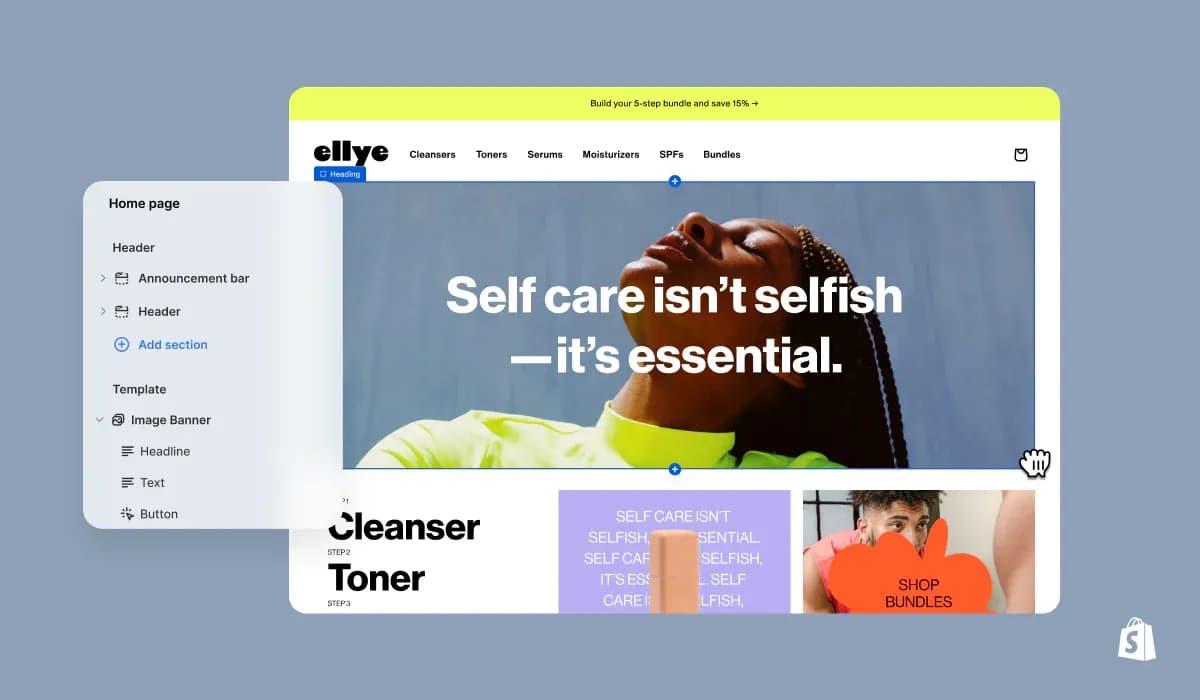
A hosted online store. Platforms built for the Nigerian market, such as Selar for digital products or a Shopify store configured for naira pricing, give you a proper storefront without needing to code. Expect to pay a monthly platform fee, generally in the range of ten to thirty thousand naira depending on the plan and features.
A custom website. Only worth it once you have proven demand and need more control over branding or customer data. Budget for a developer, hosting, and a domain, and expect ongoing maintenance costs.
Start with social commerce or a hosted platform. Build your own website once volume justifies the investment.
Step 4: Set Up Payments
Customers abandoning a purchase because payment is inconvenient is one of the most common and avoidable revenue losses for new online sellers. Integrate Paystack or Flutterwave so customers can pay by card, bank transfer, or USSD directly at checkout, rather than sending you a screenshot and waiting for confirmation. Both platforms support Nigerian bank accounts, charge a small transaction fee, generally around one and a half percent, and settle funds to your account within one to two business days. If you are selling purely through WhatsApp for now, Moniepoint or Kuda business accounts with a dedicated account number make it easy for customers to pay by transfer and for you to reconcile who has paid.
Step 5: Solve Logistics Before You Launch, Not After
Delivery is where many Nigerian online stores lose customer trust. Decide upfront whether you will handle delivery yourself within your city, using a dispatch rider service, or use a logistics partner like GIG Logistics, Kwik, or Sendbox for interstate orders. Build delivery cost and expected delivery time into your product pricing and your customer messaging from day one. A customer in Onitsha who is told delivery takes three days and it takes eight will not order again, and will tell others. Underpromise on timing, especially outside Lagos and Abuja where road logistics are less predictable.
Step 6: Photograph and List Your Products Properly
Phone cameras are good enough now that you do not need a professional studio to get clean product photos. Use natural light near a window, a plain background, and multiple angles. Write product descriptions that answer the questions a customer will actually ask: size, material, what is included, delivery time, and return policy. Vague listings generate more customer service messages, not fewer.
Step 7: Market With a Small, Consistent Budget
You do not need a large advertising budget to start. Begin with organic content on Instagram and TikTok, showing the product in use rather than just static photos, and ask satisfied customers for short video testimonials. Once you have a working product and clear margins, test paid Instagram or Facebook ads with a small daily budget, five to ten thousand naira is enough to learn what converts before you commit more. Track which posts actually drive sales, not just likes, using each platform's built in insights.
Step 8: Track Your Numbers From Day One
Set up a simple spreadsheet or a free tool to track orders, cost of goods, delivery cost, and payment gateway fees against revenue. Many new online sellers discover after a few months that a product they thought was profitable actually loses money once delivery and gateway fees are included. Catching that early lets you adjust pricing before it becomes a habit that quietly drains your business.
A Realistic Starting Timeline
A motivated founder can go from idea to first sale within two to three weeks: a week to validate the product and register the business, a few days to set up a WhatsApp catalog or hosted store and payment integration, and the rest to prepare content and launch. Resist the urge to perfect everything before launching. Get a real customer to pay you, learn from that transaction, and improve from there.