Most business owners in Lagos and Port Harcourt have heard of ChatGPT, and many have played with it once out of curiosity. Far fewer have actually built it into how their business runs day to day. That gap is costing time. A tool that can draft a supplier email, summarise a messy WhatsApp thread, or write a week of Instagram captions in minutes is sitting unused on most founders' phones.
This guide is not about AI hype. It is about specific, repeatable ways ChatGPT can take work off your plate this week, using the free or low cost versions, and the guardrails you need so it does not embarrass you in front of a customer or FIRS.
What ChatGPT Actually Does Well for a Small Business
ChatGPT is a language model. It is excellent at producing and reorganising text, and reasonably good at basic analysis when you feed it clear data. It is not a database, it does not know your live stock levels unless you tell it, and it can be confidently wrong about facts, especially Nigerian specific ones like current tax rates or SON requirements. Treat it like a very fast, very literate assistant who has never actually visited your shop and needs everything spelled out.
Where it genuinely earns its keep for operations is drafting, summarising, and pattern spotting: turning your rough notes into a clean customer message, condensing twenty supplier quotes into a comparison table, or writing a first draft of a staff handbook you can then edit.
Six Practical Uses for Daily Operations
1. Customer Service Replies and Templates
If you run a shop on Instagram or WhatsApp Business, you are typing similar answers to similar questions all day: delivery times, return policy, payment details. Paste five real customer questions into ChatGPT and ask it to draft polite, on brand responses. Save the good ones as templates in WhatsApp Business's quick reply feature. This alone can cut response time from ten minutes to thirty seconds per customer.
2. Supplier and Vendor Communication
Chasing a Kano supplier for a delayed delivery, or negotiating better terms with a Lagos wholesaler, takes a certain tone: firm but not rude, clear about what you need and by when. Give ChatGPT the situation in plain language ("supplier is three days late on a paint order, I need it by Friday for a client job") and ask for a short, professional message. You keep control of what actually gets sent, it just removes the blank page problem.
3. Summarising Long Threads and Documents
Founders juggling five WhatsApp groups, a Google Sheet, and an inbox lose real time re reading long threads to find one decision. Copy a long thread into ChatGPT and ask for a three bullet summary with action items and owners. The same works for a long lease agreement or vendor contract when you need the gist before sending it to a lawyer for the details that actually matter.
4. Basic HR and Onboarding Documents
Writing a staff handbook, a job description, or an offer letter from scratch takes hours most founders do not have. Ask ChatGPT for a first draft based on your business type, role, and Lagos or Abuja context, then adjust it to match your actual policies and any Nigerian labour law requirements you have confirmed separately. Never let it write final HR policy language unchecked, but as a starting draft it saves real hours.
5. Simple Data Organisation and Analysis
Paste in a rough sales list from your notebook or a CSV export from Paystack and ask ChatGPT to group it by product, flag your best selling item, or spot which month had the highest returns. It will not replace proper accounting software, but for a quick read on "what is actually happening in my business" before a bank meeting, it is faster than building a spreadsheet formula from scratch.
6. Marketing Copy and Content Ideas
A week of Instagram captions, a product description for your online store, or ideas for a WhatsApp broadcast to customers ahead of Detty December: all of this is exactly what ChatGPT is built for. Give it your brand voice, your product, and your audience (say, young professionals in Lekki versus market traders in Onitsha) and it will produce far more usable drafts far faster than starting from a blank note.
Setting It Up the Right Way
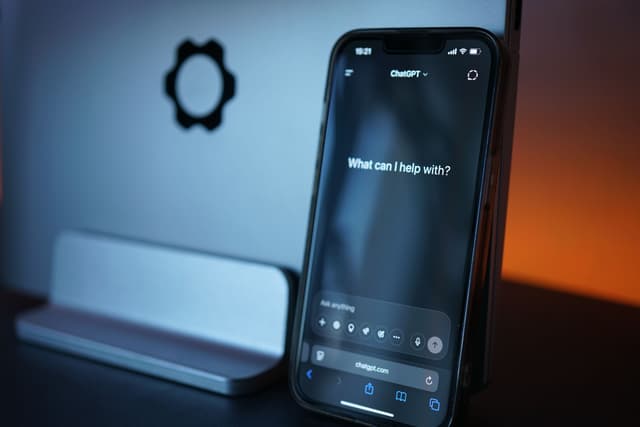
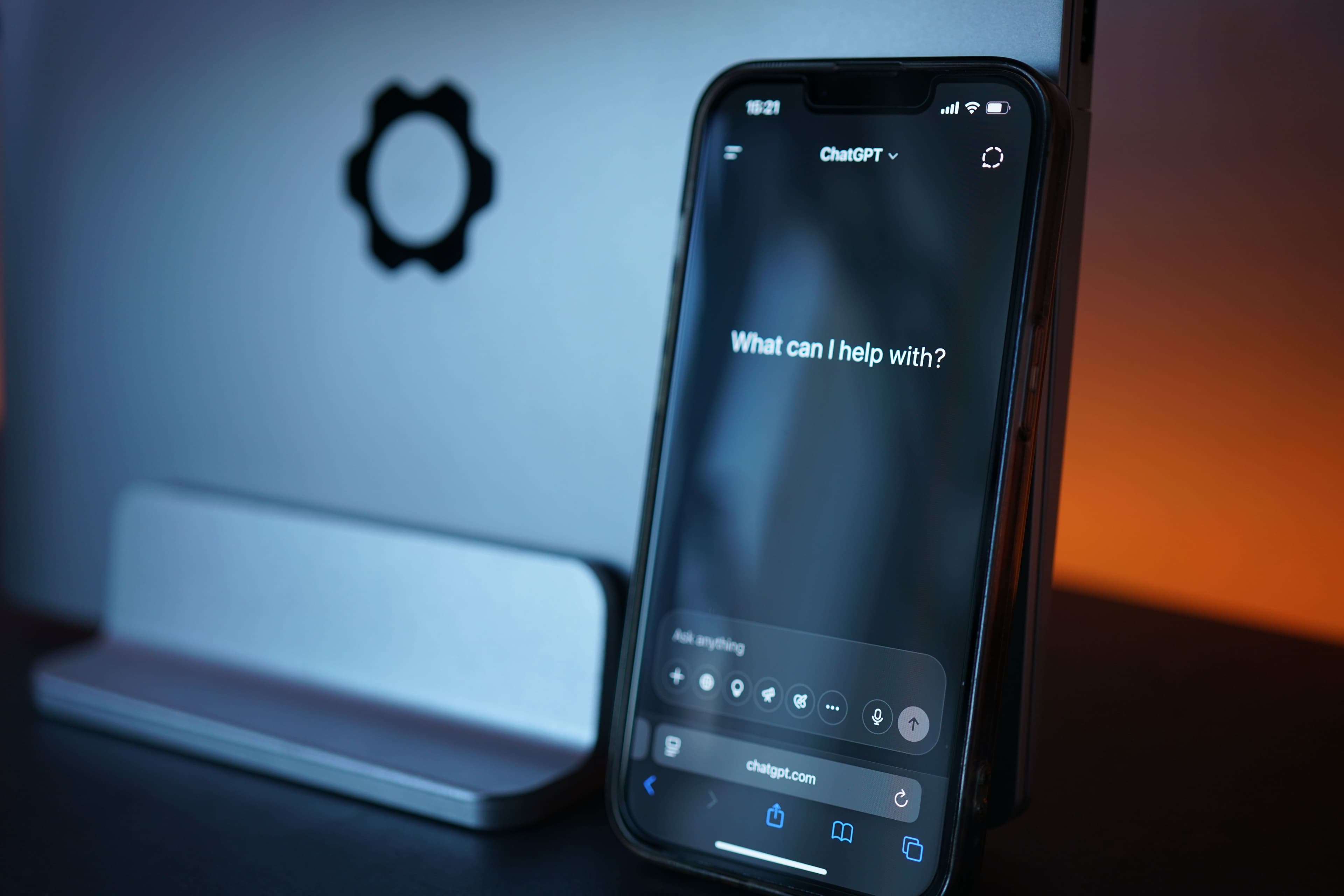
Start with the free tier at chat.openai.com or the mobile app. You do not need to pay for ChatGPT Plus until you are using it heavily every day, and even then the paid tier is roughly nineteen dollars a month, which most founders budget in naira at the prevailing rate rather than treating as a fixed cost.
Create simple, reusable prompts for your most common tasks and save them in a notes app. For example: "Write a WhatsApp reply to a customer asking about delivery to [location], our standard delivery time is [X] days, tone should be warm and professional." Reuse and tweak rather than typing from scratch every time.
If your internet connection is unreliable, which is a real constraint in many parts of the country, draft your prompts offline in a notes app first, then paste them in during a stable connection window rather than fighting a slow load screen mid task.
What to Never Hand Over to ChatGPT Unchecked
Do not paste in customer personal data, bank details, or anything commercially sensitive without first checking your data protection obligations under the Nigeria Data Protection Act. Do not trust it for exact tax figures, current CAC filing fees, or NAFDAC registration steps without verifying against the official source, since AI models can state outdated or wrong numbers with total confidence. And never send an AI drafted message to a customer or regulator without reading it yourself first. It is a drafting tool, not a decision maker.
Getting Started This Week
Pick one repetitive task, customer replies is usually the easiest win, and commit to using ChatGPT for it for seven days. Track how much time it actually saves. Once that habit sticks, add a second use case. Founders who try to overhaul every process at once with AI tend to abandon it within a week. The ones who succeed start narrow, prove the value to themselves, and expand from there.