Walk through Balogun Market, Trade Fair Complex, or Alaba International Market, and a huge share of what you see was sourced directly from Chinese suppliers by a Nigerian entrepreneur who built the relationship themselves rather than buying from a middleman. Sourcing from China can dramatically improve your margins compared to buying from local wholesalers, but it comes with real risk if you skip the vetting and logistics steps that experienced importers treat as non negotiable. Here is how to do it properly.
Step 1: Decide What You Are Actually Sourcing
Before searching for suppliers, get specific about your product: material, size, quality grade, packaging, and target retail price in Nigeria. A vague search for "phone accessories" on a sourcing platform returns thousands of suppliers of wildly different quality and price, and you will waste weeks sorting through irrelevant options. Narrow your product spec first, then search.
Also confirm your product does not fall into a category with special import restrictions or requires NAFDAC or SON certification on arrival, since discovering this after you have already paid a supplier is a far more expensive lesson than checking beforehand.
Step 2: Find and Vet Suppliers
Alibaba, Made in China, and Global Sources are the main platforms Nigerian importers use to find suppliers. Look for suppliers with verified status, several years of operating history, and a track record of transactions with reasonable ratings, not just a high volume of unrated listings.
Beyond the platform's own verification, do your own checks. Ask for their business license and cross reference the company name. Request photos or a video call of their actual factory floor, since a supplier unwilling to do a video call is a real warning sign. Search their company name alongside terms like "scam" or "complaint" to see whether other importers have flagged problems. For a first time relationship or a large order, consider paying for a third party inspection service to verify the supplier is legitimate before you commit significant money.
Step 3: Request Samples Before Committing
Never place a bulk order without first receiving and physically inspecting a sample. Sample costs are usually modest, often just the product cost plus courier shipping, and this small spend protects you from discovering, after a container has already left Chinese shores, that the material quality does not match what was described or photographed.
Order samples from two or three suppliers if your budget allows, so you can compare quality and pricing directly rather than relying on one supplier's word.
Step 4: Negotiate Price, MOQ, and Payment Terms
Minimum order quantity, commonly abbreviated MOQ, is often negotiable, particularly for a first order where a supplier wants to build the relationship. Do not accept the first quoted MOQ or price without at least attempting to negotiate, since Chinese suppliers dealing with international buyers generally expect it.
On payment, a common structure is thirty percent deposit upfront to begin production, with the remaining seventy percent paid before shipment once you have confirmed the goods match your order, often through a pre shipment inspection. Avoid paying one hundred percent upfront to a new supplier regardless of how convincing their sales pitch is. Use a payment method that gives you some recourse, and for larger orders, consider whether a letter of credit makes sense to protect both sides of the transaction.
Step 5: Understand Your Shipping Options
For smaller orders, air freight is faster, typically a matter of days, but considerably more expensive per kilogram. For larger volumes, sea freight from Chinese ports like Shenzhen, Ningbo, or Shanghai to Lagos is far cheaper per unit but takes roughly thirty to forty five days depending on the route and any transshipment involved.
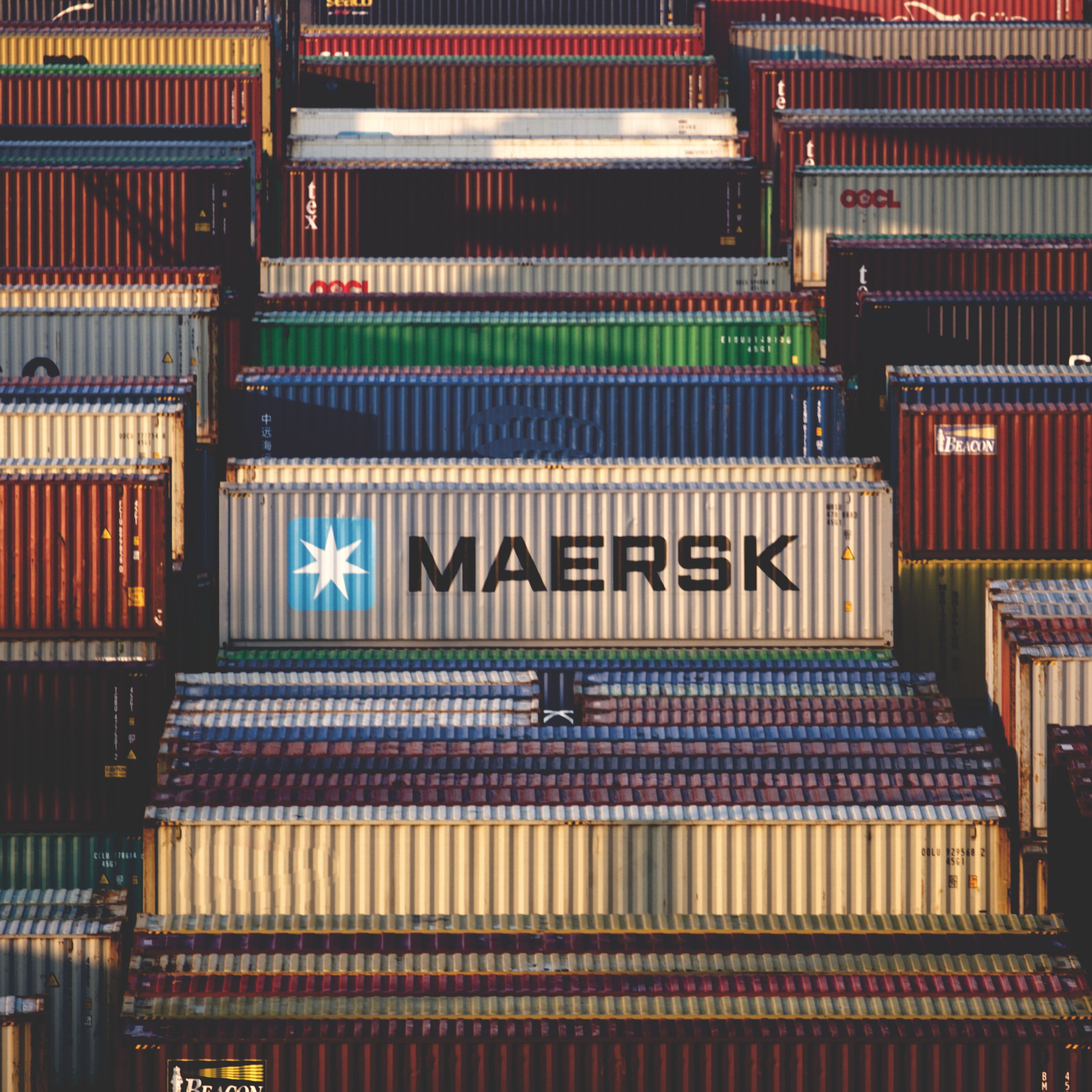
Decide between a full container load, which makes sense once your order volume justifies an entire container, and a less than container load arrangement, where your goods share container space with other importers' cargo, which suits smaller volumes but adds a bit more handling time and cost per unit. A freight forwarder with experience on the China to Nigeria route can advise which makes sense for your specific order size and budget.
Step 6: Prepare for Nigerian Customs Clearance
Once your shipment arrives at Apapa, Tin Can Island, or another Nigerian port, your freight forwarder or customs agent handles clearance, which involves submitting your commercial invoice, bill of lading, packing list, and Form M, the import documentation required before goods can even be shipped to Nigeria in the first place, which should have been processed with your bank well before the goods left China.
Import duty rates vary considerably by product category under Nigeria's tariff schedule, and some categories carry additional levies on top of the base duty. Budget for duty, VAT, and port charges as a real cost, not an afterthought, since underestimating this is one of the most common ways new importers blow their margin projections.
Step 7: Build the Relationship for Repeat Orders
Once you have completed a successful first order, the real value of sourcing from China often comes from the relationship you build over subsequent orders, better pricing as your order volume grows, more flexible payment terms as trust builds, and a supplier who understands your specific quality requirements without needing them re explained each time. Treat your first supplier relationship as a long term investment worth nurturing, not a one off transaction.
Common Mistakes to Avoid
Do not skip the sample stage to save a small amount of money or time, since the cost of a bad bulk order dwarfs what a sample would have cost. Do not pay the full order value upfront to an unverified supplier. Do not ignore your product's certification requirements in Nigeria, assuming customs clearance alone is sufficient, since NAFDAC or SON compliance is a separate matter entirely from customs duty. Do not underestimate total landed cost, product price plus freight, insurance, duty, VAT, and port charges, when calculating whether an order is actually profitable.
The Bottom Line
Sourcing from China rewards founders who treat due diligence as part of the process rather than an obstacle to rush past. Vet your supplier properly, always sample before you order in bulk, understand your full landed cost before you commit, and build your customs documentation correctly from the Form M stage onward. Entrepreneurs who follow this process consistently build supplier relationships that become one of their most valuable long term business assets.