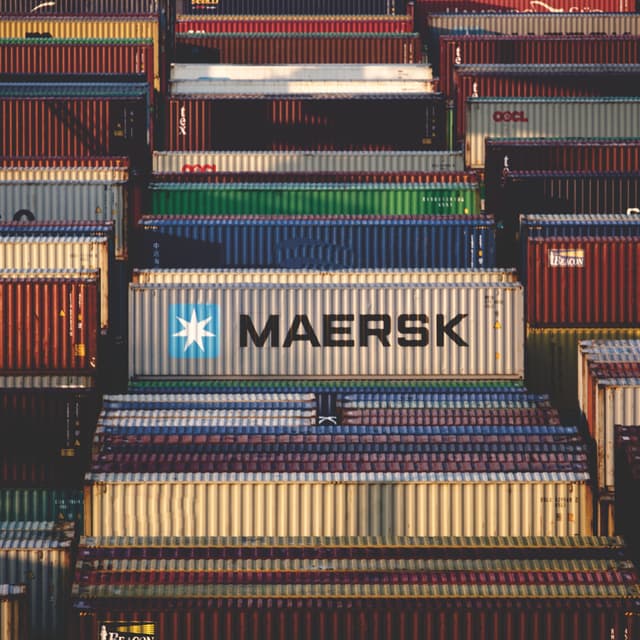
Every week, containers leave Apapa and Onne ports carrying sesame seeds, cashew nuts, cocoa, leather, shea butter, and processed foods that Nigerian founders sold to buyers in Europe, Asia, and across Africa. Yet most business owners with exportable products never attempt it, assuming exporting requires connections, capital, or paperwork beyond their reach. In reality, the process is well defined and open to any registered business willing to follow it properly. This guide walks through what it actually takes to make your first export shipment.
Step 1: Confirm You Have Something the World Wants
Before touching any paperwork, validate demand. Nigeria's top non oil export categories include agricultural produce such as sesame seeds, cocoa, cashew, ginger, and hibiscus flowers, along with solid minerals, leather products, and increasingly, processed and packaged foods. Check the Nigerian Export Promotion Council's product profiles and trade data to see what buyers in your target markets are already importing, and at what volumes and price points.
Talk to at least a handful of prospective buyers or study existing export listings before committing resources. A product that sells well in Lagos does not automatically meet the quality, packaging, or certification standards a buyer in Rotterdam or Dubai expects.
Step 2: Register Your Business and Get Export Certified
You need a registered business with the Corporate Affairs Commission before you can export legally. Once registered, obtain a Tax Identification Number and register with the Nigerian Export Promotion Council, the government body responsible for promoting and regulating non oil exports.
NEPC registration currently costs around ₦10,000 and is typically valid for two years. You will need your CAC certificate, Tax Identification Number, memorandum and articles of association for a limited company, and passport photographs. Once approved, NEPC issues an Exporter Certificate, which authorizes you to export and is required when processing shipping documents at the port.
Step 3: Get Your Product Certified
Depending on what you are exporting, you may need additional certifications. Agricultural and food products often require a phytosanitary certificate from the Nigeria Agricultural Quarantine Service, confirming your goods are free of pests and disease. Processed foods, cosmetics, and pharmaceuticals need NAFDAC registration. Some products require Standards Organisation of Nigeria certification confirming quality compliance. Skipping these steps is the fastest way to have a shipment rejected or delayed at the destination port, so budget time and money for certification early rather than treating it as an afterthought.
Step 4: Understand Pricing and INCOTERMS
Export pricing is not domestic pricing plus a markup. You need to account for packaging suited to international shipping, freight costs, insurance, port charges, and your target market's import duties, which affect what price point remains competitive there.
Learn the basics of INCOTERMS, the standardized trade terms that define who pays for and bears risk on freight, insurance, and customs at each stage of shipment. FOB, meaning Free On Board, is common for smaller exporters since it means your responsibility ends once goods are loaded onto the vessel at a Nigerian port, while the buyer arranges and pays for the onward freight and insurance. CIF, Cost, Insurance, and Freight, means you as the seller cover shipping and insurance to the destination port. Quote your price clearly using the correct term so buyers know exactly what they are paying for and what remains their responsibility.
Step 5: Find Your First Buyer
New exporters typically find buyers through trade fairs and exhibitions organized by NEPC, sector associations, or international trade bodies, B2B platforms such as Alibaba, TradeKey, or Africa specific marketplaces, referrals from other exporters in your product category, and outreach through embassies and trade missions, many of which maintain lists of buyers actively seeking African suppliers.
Do not skip due diligence on a new buyer. Verify their business registration, ask for trade references, and start with a smaller trial order before committing to a large shipment on a first time relationship.
Step 6: Handle Your Export Documentation
Every export shipment out of Nigeria requires a Form NXP, the Nigeria Export Proceeds form, processed through your bank before goods leave the country. This form tracks the transaction so the Central Bank can monitor that export proceeds are eventually repatriated into Nigeria. You will also need a commercial invoice, packing list, Certificate of Origin, issued by NEPC or an accredited chamber of commerce to confirm your goods originated in Nigeria, and any product specific certificates from Step 3.
Getting these documents right the first time saves weeks of delay at the port and avoids demurrage charges that accumulate while a shipment sits waiting on paperwork corrections.
Step 7: Choose a Freight Forwarder and Ship
Unless you already have logistics experience, work with a licensed freight forwarder who understands the process at Apapa, Tin Can Island, or Onne port. A good forwarder handles customs clearance, coordinates with shipping lines, and can advise on realistic costs and transit times to your destination market. Expect freight forwarding and clearing fees to vary significantly depending on cargo type, volume, and destination, so get quotes from at least two or three forwarders before committing.
Step 8: Get Paid Safely
Payment risk is one of the biggest concerns for new exporters dealing with buyers abroad. Options range from advance payment, the safest for you but hardest to negotiate with new buyers, to a letter of credit, where a bank guarantees payment once you meet agreed conditions, to open account terms, which favor the buyer and carry the most risk for you. For a first transaction with a new buyer, push for at least partial advance payment or a letter of credit rather than accepting open account terms outright.
Common Mistakes to Avoid
Do not ship before your NXP form is properly processed, since this creates problems with proceeds repatriation later. Do not skip product certification to save time, since rejected shipments cost far more than the certification would have. Do not accept a buyer's payment terms without verifying their credibility first, particularly on a first order.
The Bottom Line
Exporting from Nigeria is a structured process, not a mysterious one. Register properly, get your product certified, understand your documentation obligations, and work with reliable partners for freight and payment. Most founders who abandon the idea do so before ever attempting the paperwork. Those who push through it find a market considerably larger than what Nigeria alone offers.