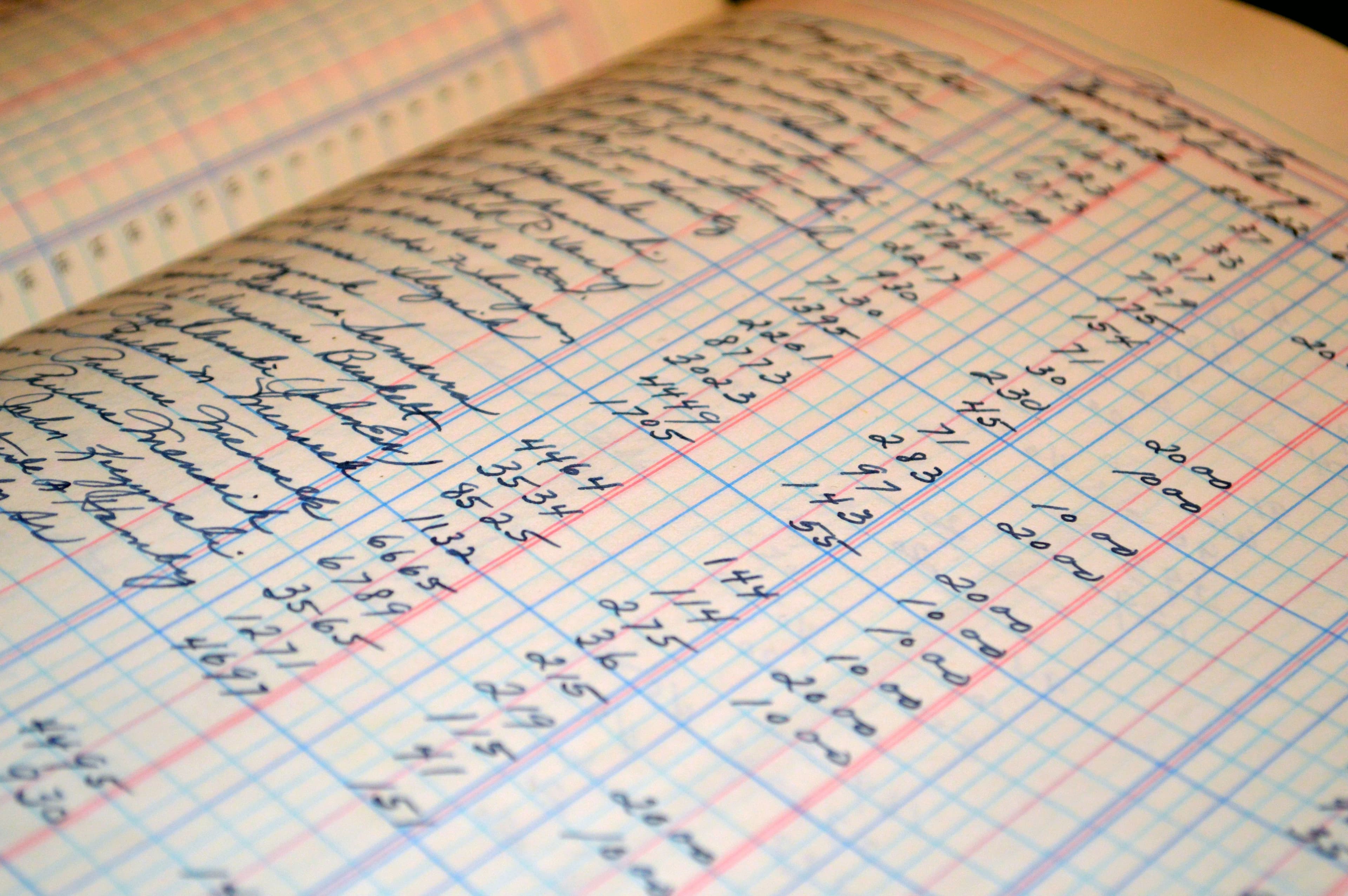
Ask ten Nigerian business owners how they track their money and at least six will describe some version of a notebook, a WhatsApp chat with their accountant, and a folder of receipts they hope to sort out "later." The problem shows up the moment FIRS asks for records, a bank asks for financial statements to approve a loan, or you simply want to know if last month was actually good or just felt busy. The fix starts with one document most people have never heard of: a chart of accounts.
A chart of accounts is a structured list of every category your business uses to record money coming in and going out. Think of it as the filing system behind your bookkeeping, the reason every transaction has a proper home instead of floating around as "miscellaneous." Once it exists, every other financial task, monthly reports, tax filing, loan applications, gets dramatically easier.
What a Chart of Accounts Actually Does
Without one, most small businesses record transactions in whatever order they happen, with vague descriptions like "paid vendor" or "customer payment." You can't tell your marketing spend from your logistics spend, and you definitely can't tell your accountant what your actual profit margin looks like by product line.
A chart of accounts groups every transaction into five main categories: assets, liabilities, equity, income, and expenses. Each category has sub accounts underneath it, and each sub account gets a unique number so your books stay consistent no matter who is entering data, you, a bookkeeper, or an accounting software.
Step 1: List Your Five Main Categories
Start with the five buckets every business needs.
Assets are what your business owns: cash at bank, cash in hand, inventory, equipment, vehicles, and money owed to you by customers.
Liabilities are what your business owes: supplier bills unpaid, bank loans, and any tax obligations to FIRS or your state's internal revenue service.
Equity is the owner's stake in the business: capital you've put in, and retained earnings from previous years.
Income covers every way money comes in: sales revenue, service fees, and any other income like interest earned on a Cowrywise or PiggyVest savings account tied to the business.
Expenses covers everything you spend to run the business: rent, salaries, diesel for the generator, transport, marketing, and bank charges.
Step 2: Break Each Category Into Sub Accounts
This is where the chart becomes genuinely useful. A generic "expenses" category tells you nothing about where your money actually goes. Break it down based on how your business really operates.
For a retail business in Lagos, expense sub accounts might include rent, staff salaries, generator fuel, transport and logistics, packaging, marketing, and bank charges. For a service business in Abuja, sub accounts might look more like staff salaries, software subscriptions, client entertainment, office rent, and internet costs.
Do the same for income. If you sell both products and services, split them, product sales and service revenue, so you can see which side of the business actually drives your growth.
Keep the list manageable. Ten to twenty sub accounts is usually enough for a small business. A chart of accounts with eighty categories becomes as useless as no chart at all, because nobody has time to classify transactions correctly, and errors creep in.
Step 3: Assign Numbers to Each Account
Numbering keeps your chart organized and makes it compatible with accounting software later, even if you're currently using a spreadsheet. A common numbering convention looks like this:
Assets start at 1000, liabilities at 2000, equity at 3000, income at 4000, and expenses at 5000. Within each range, leave gaps for future sub accounts, so cash at bank might be 1010, cash in hand 1020, and inventory 1030, leaving room to insert new asset types later without renumbering everything.
Step 4: Build It in a Spreadsheet or Software
You don't need expensive software to start. A simple Google Sheet or Excel file with columns for account number, account name, category, and a running balance covers most businesses under ₦50 million in annual turnover.
Once your transaction volume grows, or once you need to generate reports quickly for a bank or investor, consider moving to accounting software. Wave is free and works well for very small operations. QuickBooks and Zoho Books are popular with slightly larger Nigerian businesses, and many local accountants are already familiar with them, which makes handoffs smoother.
Whichever route you choose, the chart of accounts you built stays the backbone. Software just automates the classification and reporting.
Step 5: Apply It Consistently, Every Single Transaction
A chart of accounts only works if every transaction gets classified against it, no exceptions. This is where discipline matters more than tools. Every naira that moves through your business, a customer payment via Paystack, a supplier invoice paid through Flutterwave, a cash purchase of packaging materials in Balogun market, needs to land in the right sub account.
Set a weekly rhythm rather than trying to catch up monthly or, worse, at tax season. Thirty minutes every Friday reviewing and classifying the week's transactions is far less painful than three days sorting through a year's worth of receipts in March.
Common Mistakes to Avoid
Don't mix personal and business expenses in the same account. This is the single biggest bookkeeping error among Nigerian small businesses, and it makes your financial statements meaningless and your tax filing riskier.
Don't create a new sub account for every one off transaction. Use a general "miscellaneous expenses" category sparingly, and review it monthly so it doesn't become a dumping ground that hides real spending patterns.
Don't skip the review step. A chart of accounts you set up once and never revisit stops reflecting how your business actually operates within a year or two.
The Payoff
A well built chart of accounts turns your bookkeeping from a chore into a genuine management tool. You'll know within minutes whether marketing spend is paying off, whether generator fuel is quietly eating your margins, and whether you're actually ready to approach a bank or investor with numbers that hold up to scrutiny. Set it up once, apply it every week, and tax season stops being a fire drill.