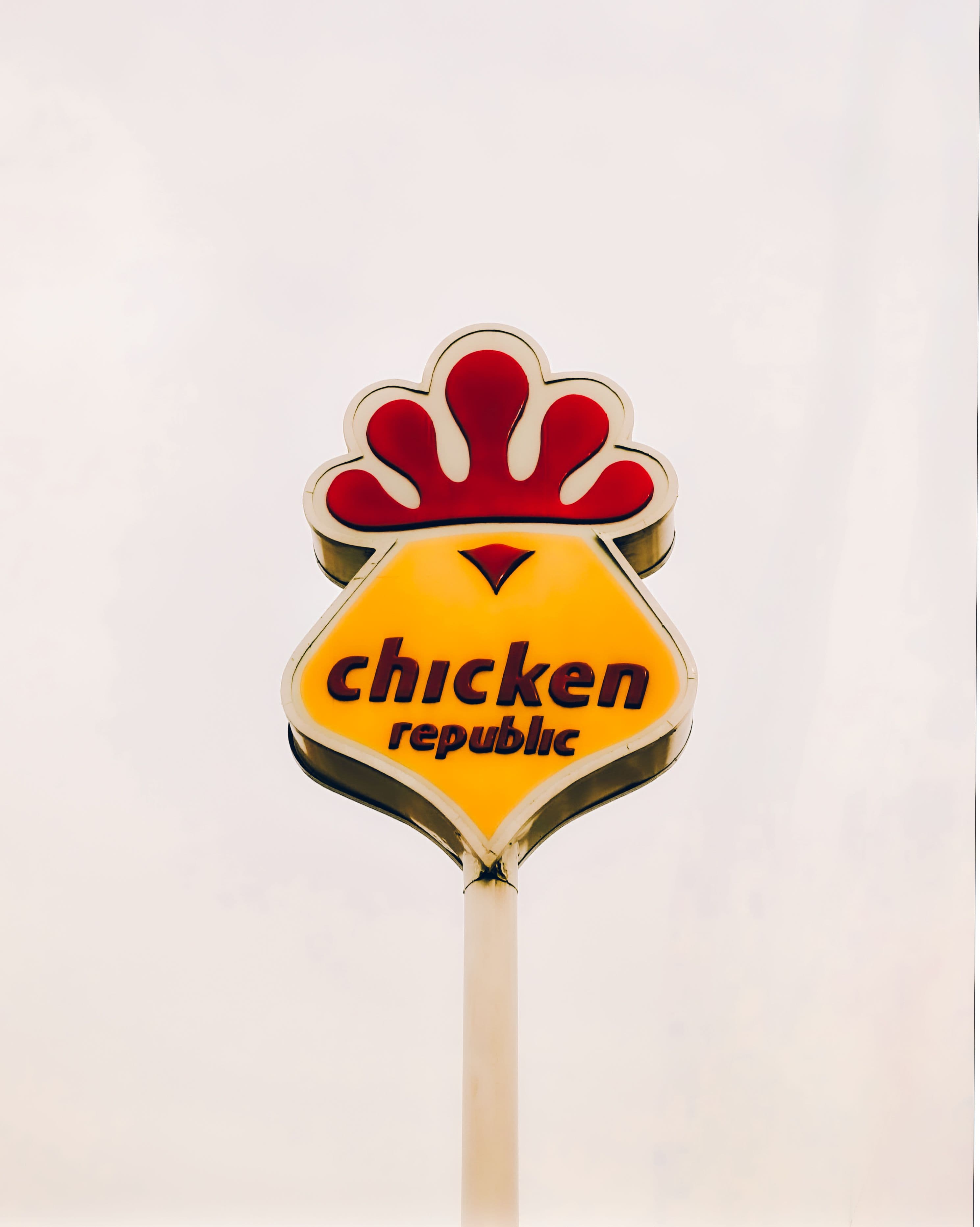
Walk into a Chicken Republic, a Domino's Pizza outlet, or a Cold Stone Creamery in Lagos or Abuja and there is a good chance you are standing in a franchise, a business built on someone else's brand, recipe, and playbook, run by a local operator who paid for the right to use it. Franchising has quietly become one of the more visible business opportunities in Nigeria's food and retail sector over the past decade, largely through Eat'N'Go Limited, the master franchisee behind several of those international brands. For entrepreneurs weighing whether to build a business from scratch or buy into a proven system, franchising deserves a serious, unromantic look.
What franchising actually is
A franchise is a licensing arrangement. The franchisor owns a brand, a set of operating procedures, and often a supply chain, and sells the right to use all of it to a franchisee in exchange for an upfront fee plus ongoing royalties, typically 5 to 8 percent of monthly revenue, and often a separate marketing levy. In return, the franchisee gets a tested business model, brand recognition, training, and sometimes help with site selection and supplier relationships. What the franchisee gives up is independence: menus, pricing, branding, and operating standards are usually fixed by the franchisor, with little room to improvise.
This is different from simply distributing someone else's products, which gives you more freedom but none of the brand support, and different from starting an independent business under your own name, which gives you full control but none of the built in customer trust a recognized brand carries.
The real cost of buying into a franchise
Franchise economics in Nigeria vary enormously by sector and brand. A well known fast food franchise can require an initial investment, covering the franchise fee, fit out, equipment, and opening stock, of anywhere from N30 million to well over N150 million depending on the brand and the size and location of the outlet. Smaller, lower profile franchise models, such as laundry services, fitness studios, or tutoring centers, can be entered for N5 million to N20 million. On top of the initial outlay, budget for the ongoing royalty, the marketing levy, rent (often the single biggest recurring cost in Lagos or Abuja), staff salaries, and a working capital buffer of at least three to six months of operating expenses, since new outlets rarely break even in their first months.
The legal landscape
Nigeria does not have a dedicated franchise law the way some countries do, which means a franchise relationship here is governed mainly by ordinary contract law and, where relevant, trademark law. Before signing anything, confirm that the franchisor's trademark is actually registered with the Trademarks Registry under the Federal Ministry of Industry, Trade and Investment, and not simply pending or unregistered. Have a lawyer review the franchise agreement in full, paying particular attention to territory rights (can the franchisor open another outlet three streets away from yours), termination clauses, what happens to your investment if the franchisor's business fails, and any restrictions on what you can do if you eventually want to exit. The Federal Competition and Consumer Protection Commission also has general oversight over unfair commercial practices, which gives franchisees some recourse if a franchisor misrepresents the opportunity, though this is a blunter tool than a well drafted contract.
You will also need to register your own operating entity with the Corporate Affairs Commission, obtain a Tax Identification Number, and comply with the same tax, VAT, and, where applicable, NAFDAC and food safety requirements any independent food or retail business would face. Buying a franchise does not exempt you from any of Nigeria's normal regulatory obligations.
Weighing the pros
The strongest argument for franchising is reduced uncertainty. You are not guessing whether people want the product, an established brand has already answered that question, sometimes across dozens of outlets. Training, standard operating procedures, and sometimes centralized supply chains reduce the number of decisions you have to make from scratch, which matters if you are new to running an operational business like food service or retail. Brand recognition can also shorten the time it takes a new outlet to build a customer base compared with an unknown independent shop in the same location.
Weighing the real risks
The honest downsides matter just as much. Royalties and fees reduce your margin permanently, not just at the start. You have limited control over pricing, menu changes, or promotions, which can be frustrating if local demand differs from what works in the franchisor's other markets. Location risk sits entirely with you, a poorly chosen site can sink a franchise just as easily as an independent business, and the franchise fee does not protect you from bad rent decisions. Some franchisors also underdeliver on the training, marketing, and supply chain support they promise once the fee is paid, which is exactly why speaking to existing franchisees before signing matters so much.
Who franchising actually suits
Franchising tends to suit entrepreneurs with meaningful capital, operational discipline, and a genuine willingness to follow someone else's system closely rather than adapt it. It suits people who want to build a business around managing people, quality, and operations rather than inventing a product or brand from zero. If what excites you is building something distinctly your own, franchising will likely feel restrictive. If what excites you is running a tight, well systemized operation with a head start on customer trust, it is worth serious evaluation, provided you go in with your eyes open about the real costs and the legal fine print.