Open any Nigerian marketplace, physical or digital, and you will find dozens of businesses selling nearly the same thing, at nearly the same price, using nearly the same generic language: "quality guaranteed," "affordable prices," "customer satisfaction is our priority." None of it means anything anymore, because everyone says it. In a market this crowded, a real brand is not a luxury reserved for big companies. It is often the only thing separating a business that survives from one that gets lost in the noise.
This piece breaks down what actually builds a memorable brand for a Nigerian business, beyond a nice logo and a catchy name, and how to apply it practically without a large marketing budget.
A Brand Is a Promise, Not a Logo
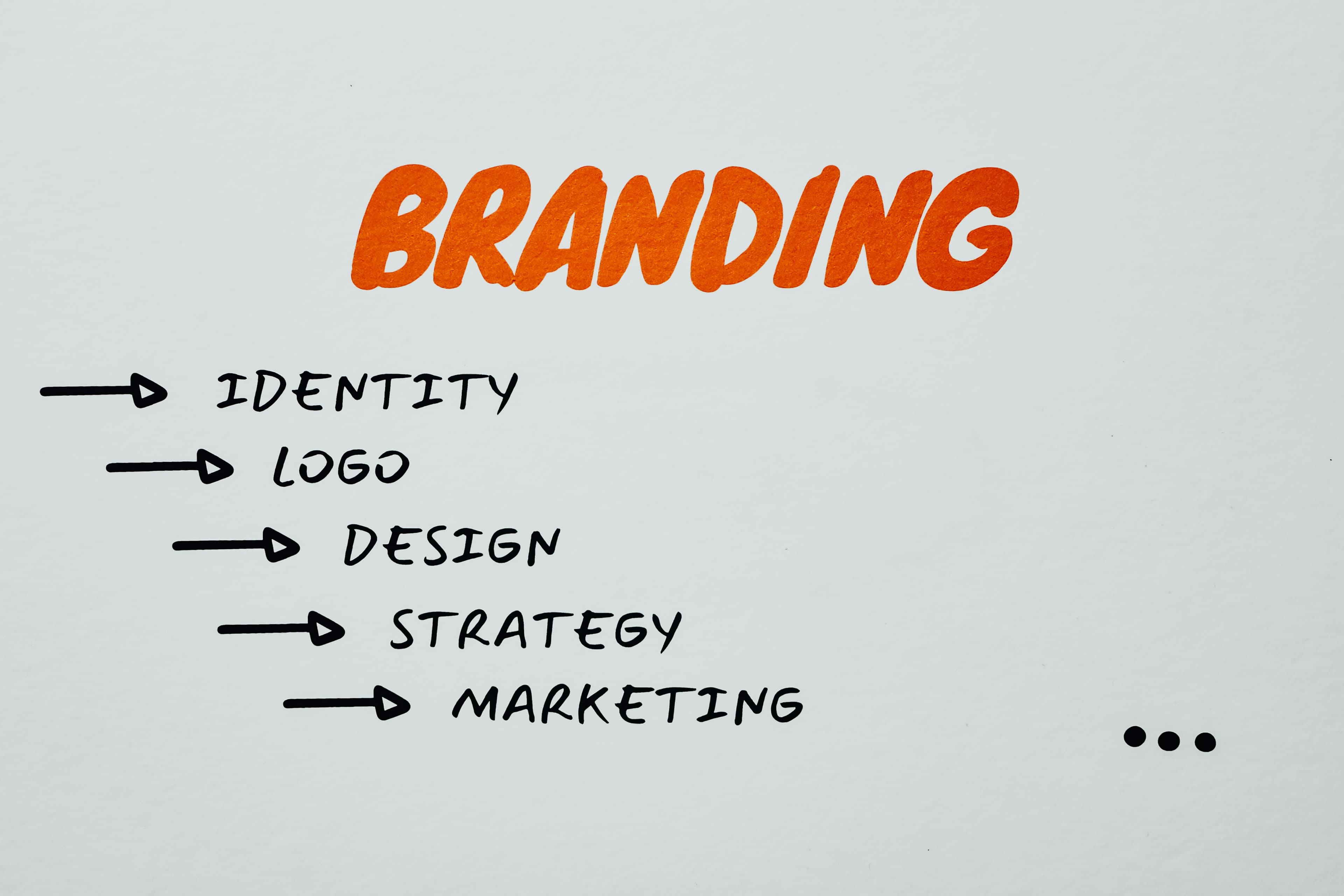
Many founders equate branding with visual design, choosing colors, commissioning a logo, and picking fonts. Design matters, but it is the packaging, not the substance. A brand is fundamentally the promise a customer can reliably expect you to keep, and the feeling they associate with your business as a result.
Think about why a customer chooses a specific bank, a specific generator brand, or a specific school for their children over dozens of alternatives. It rarely comes down to which one has the prettiest logo. It comes down to what that name has come to represent through repeated experience: reliability, status, affordability, warmth, or trustworthiness.
Why Standing Out Is Harder, and More Necessary, in Nigeria Right Now
Nigeria's SME landscape has grown enormously more crowded in the last several years, driven by low barriers to starting a business on social media and a difficult economy pushing more people toward entrepreneurship out of necessity. At the same time, customers have less disposable income to experiment with unfamiliar businesses, making them more cautious and more loyal to brands that have already earned trust.
This combination, more competitors chasing more careful buyers, means a business without a clear, differentiated identity struggles twice as hard: to be noticed at all, and then to be chosen over an established alternative once noticed.
The Building Blocks of a Brand That Actually Stands Out
A specific point of view, not a generic promise. "We sell quality products" describes nearly every business in Nigeria and convinces no one. A specific point of view, such as a skincare brand built entirely around ingredients that perform well in Nigeria's heat and humidity, gives customers a real reason to remember and choose you.
Consistency across every interaction. Standing out is not a single clever campaign, it is showing up the same way, in tone, quality, and promise, across every single customer touchpoint, from your Instagram captions to how your staff answer the phone to how a complaint gets handled. Inconsistency, excellent service one week and unreachable customer support the next, erodes a brand faster than almost anything else.
A name and identity that travel well. Many Nigerian businesses choose names or visual identities that are hard to remember, hard to search for, or too similar to an existing competitor. A distinctive, easily searchable name and a consistent visual identity, the same colors and logo everywhere, from your storefront to your packaging to your social profiles, make word of mouth referrals actually work, since a customer needs to be able to find you again.
Proof, not just claims. Generic claims about quality mean nothing without visible proof: real customer reviews, before and after results, certifications from bodies like NAFDAC or SON where relevant, or transparent information about sourcing and process. Proof is what turns a claim into something a skeptical customer actually believes.
A face or story people can connect with. Particularly for smaller Nigerian businesses, customers often buy from a person as much as a company. Founders who share their story, why they started, what problem they are personally trying to solve, humanize the brand in a way a faceless company account cannot easily replicate, and this connection often drives loyalty that outlasts a single good or bad experience.
A Practical Exercise to Sharpen Your Brand
Ask five recent customers, honestly and directly, why they chose your business over the alternatives available to them, and what word they would use to describe you to a friend. Write down their exact words. Patterns in these answers reveal your real brand, as customers experience it, which is often different from how you think of your own business internally.
If customers consistently mention speed, reliability, or a specific staff member's helpfulness, that is your genuine differentiator, and it should be reinforced deliberately across your marketing rather than left to chance.
Applying This Without a Large Budget
Building a standout brand does not require an expensive rebrand or a big agency engagement. Start by writing one clear sentence describing what you want to be known for and check every recent piece of marketing against it. Fix the biggest inconsistency first, whether that is an unclear name, mismatched visuals across platforms, or a customer service gap that undermines your stated promise. Collect and visibly display real proof, reviews, testimonials, before and after examples, since this costs nothing but consistent effort. Show up personally where relevant, sharing your story and your reasoning, not just your products.
Key Takeaways
Standing out in a crowded Nigerian market is less about having more marketing budget than competitors and more about having more clarity than they do, clarity about what you specifically stand for, consistently proven across every customer interaction. Businesses that get this right build a reputation that survives price competition, economic downturns, and the arrival of new competitors, because customers are choosing more than a product. They are choosing a promise they already trust.